
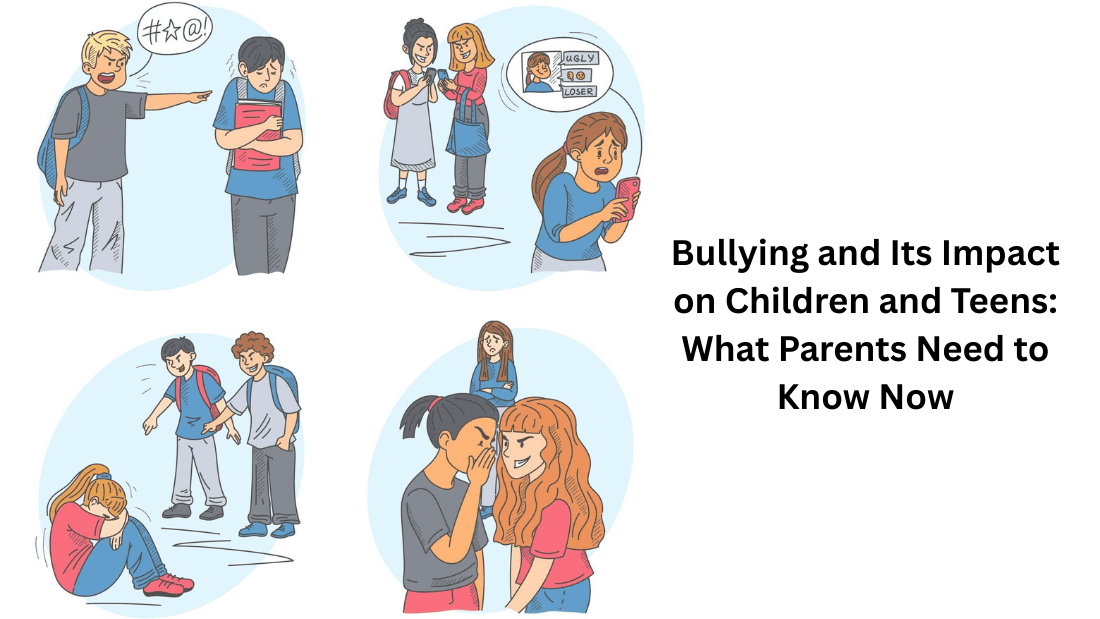
Bullying is not a “normal part of growing up” as is often commented on in parent conversations. For children and teens, repeated social harm can deeply affect self-esteem, emotional safety, and mental health. Parents often sense something is wrong, but aren’t always sure what to look for or how to help.
How Bullying Affects Mental Health
Bullying can contribute to:
- Anxiety and depression
- School avoidance
- Emotional withdrawal
- Changes in sleep or appetite
- Low self-worth
For teens, bullying may also occur online, making it harder to escape and easier to hide.
Signs Your Child or Teen May Be Experiencing Bullying
Children don’t always say the word bullying. Instead, parents may notice:
- Reluctance to attend school
- Sudden mood changes
- Frequent headaches or stomachaches
- Loss of friendships
- Increased irritability or sadness
How Parents Can Support a Child Who Is Being Bullied
- Listen calmly and validate feelings
- Avoid rushing into fixing mode
- Reassure your child they are not at fault
- Partner with the school when appropriate
- Focus on rebuilding emotional safety and confidence
A child psychiatrist can help children process emotional trauma, rebuild self-esteem, and develop coping and communication skills.
Bullying can shape how a child sees themselves—but with support, healing and resilience are absolutely possible.





Leave A Comment