
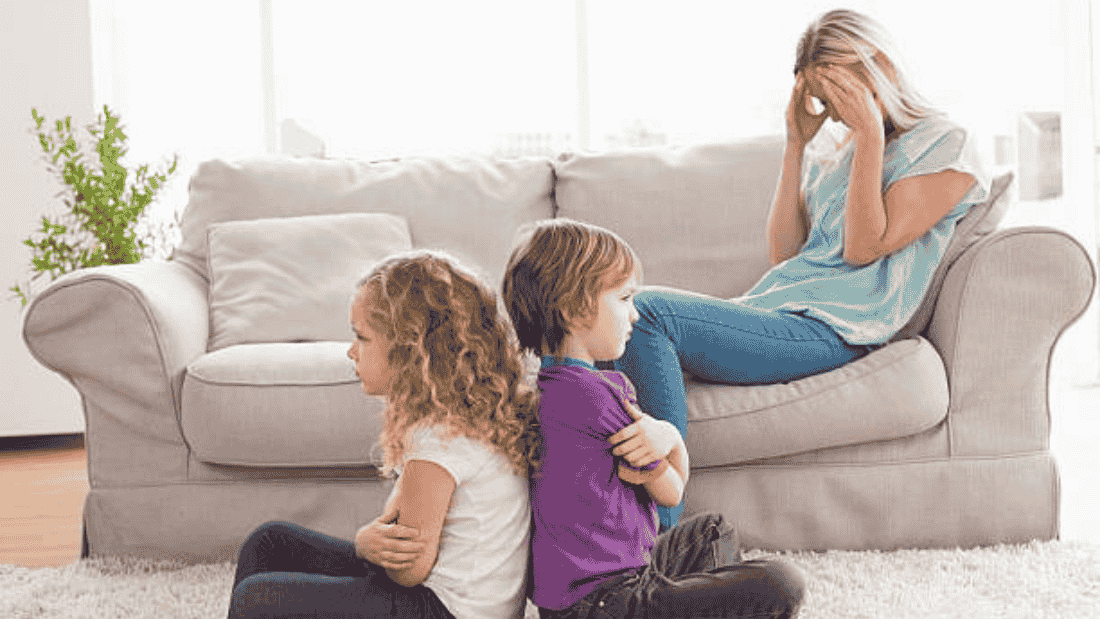
Friendship conflict is a normal part of childhood and adolescence. Disagreements, misunderstandings, and changing social dynamics are part of learning how relationships work.
However, when peer drama becomes constant or emotionally intense, children may need guidance to navigate these experiences in healthy ways.
Why Friendship Conflict Happens
Common reasons include:
• Miscommunication
• Competition for attention
• Jealousy
• Social hierarchies
• Developmental changes in identity
Signs Peer Conflict Is Affecting Mental Health
Parents may notice:
• Sudden friendship breakups
• Increased sadness or irritability
• Anxiety about school
• Frequent discussions about peer drama
• Social withdrawal
Helping Children Handle Peer Conflict
Parents can support by:
• Listening without immediately fixing the problem
• Encouraging perspective-taking
• Teaching respectful communication
• Helping children set boundaries
• Reinforcing empathy
Friendship conflict is not failure. It is practice for lifelong relationship skills.





Leave A Comment