
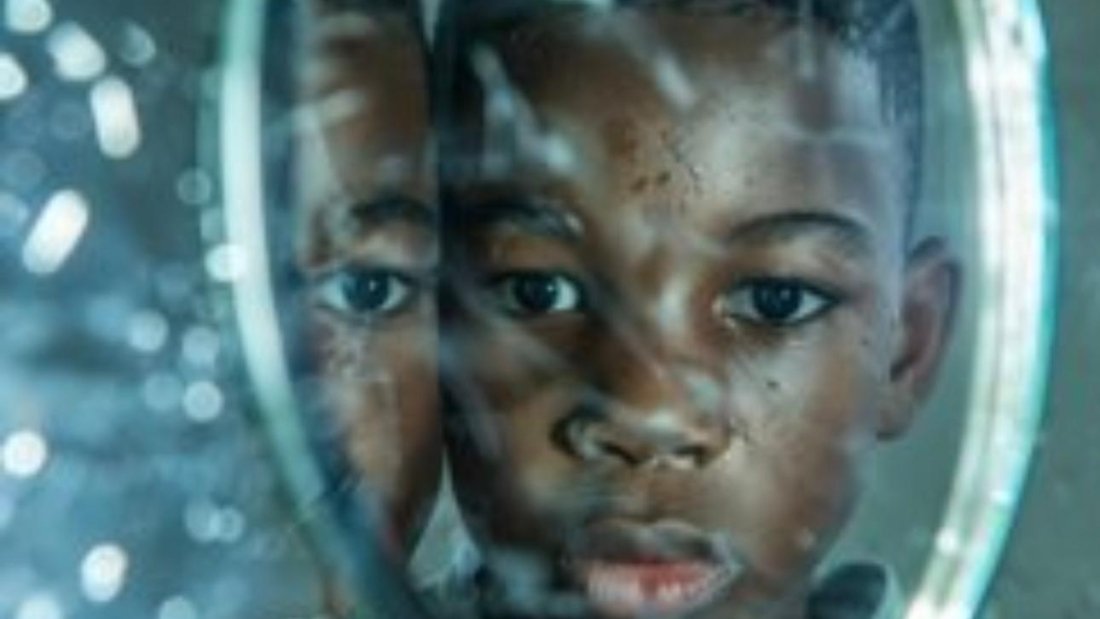
Confidence in children doesn’t mean loud or outgoing. It means feeling secure, capable, and worthy. When a child struggles with low self-esteem, it can quietly affect school performance, friendships, and mental health.
Many parents don’t realize that low self-esteem can be an early sign of anxiety, ADHD, learning challenges, or depression.
What Low Self-Esteem Looks Like in Children
Parents may notice:
- Negative self-talk (“I’m dumb,” “I can’t do anything right”)
- Avoiding new challenges
- Extreme sensitivity to criticism
- Giving up quickly
- Comparing themselves constantly to others
- Fear of disappointing adults
Why Self-Esteem Matters for Mental Health
Children with low self-confidence are at higher risk for:
- Anxiety disorders
- Social withdrawal
- Academic underperformance
- Depression in adolescence
Confidence acts as a protective factor in child mental health.
How Parents Can Help Build Healthy Confidence
- Praise effort, not just outcome
- Normalize mistakes
- Encourage independence in small steps
- Avoid comparison to siblings
- Model self-compassion
A child psychiatrist can help assess whether low self-esteem is connected to deeper emotional or developmental concerns.
Healthy self-esteem isn’t about perfection — it’s about helping children believe they are capable, valued, and resilient.





Leave A Comment