
Breaking the Silence

Breaking the Silence: How to Support Your Child Through Bullying

Bullying not only inflicts emotional distress on victims, but takes a heavy toll on the concerned parents as well. A parent’s instinct to safeguard their child may drive them to drive headfirst into the issues, but it’s crucial to approach this sensitive matter with care. This post seeks to equip parents with valuable insights on supporting their bullied child, instilling resilience, and fostering open communication without exacerbating their fear and anxiety.

1. Understanding the Situation:

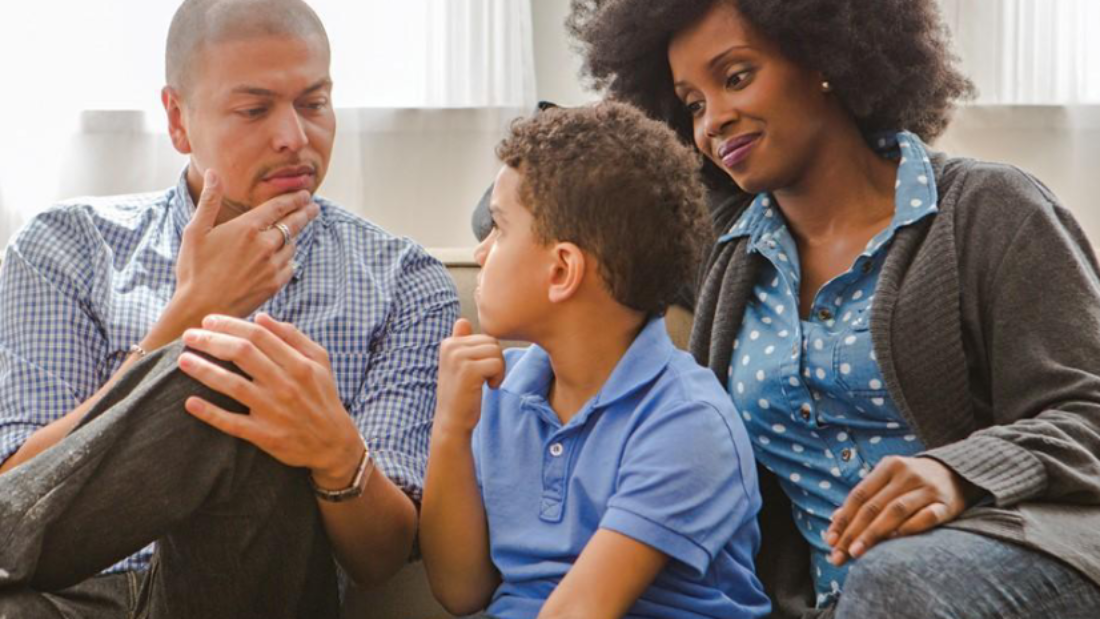
Take time to listen and empathize with your child’s experiences. Allow them to express their emotions and fears without judgment. Assure them that you believe their account and are committed to resolving the issue together. This emotional support demonstrates to your child that their feelings are valid and that they are not alone.

2. Educate Yourself:

Empower yourself by educating yourself about bullying. Research the different types of bullying, strategies employed by bullies, and their long-term effects. This knowledge will enable you to offer guidance and support effectively.

3. Encouraging Open Communication:

Create an environment when your child feels comfortable discussing their experiences. Initiate conversations, but avoid pressuring your child. By encouraging them to openly share, they’ll know they can rely on you for support and guidance. Ensure they understand that they are not responsible for the bullying, but that you are there to help them navigate through it.

4. Supporting their Self-Esteem:

Bullying can significantly impact a child’s self-esteem. Help you child rebuild their self-confidence by involving them in activities or hobbies that they enjoy and excel at. Encourage them to surround themselves with supportive friends who will bolster their courage and resilience.

5. Collaborate with the School:

Reach out to your child’s teacher or school administration to address the bullying. Share specific incidents while avoiding an accusatory tone. Work as a team to develop strategies that can ensure your child’s well-being at school while preventing retaliation from bullies.

6. Teach Assertiveness and Self-Defense:

Equip your child with assertiveness skills to help them respond powerfully and confidently to bullying. Teach them to stand tall, maintain eye contact, and assertively communicate their boundaries if it safe to do so. Additionally, enrolling them in self-defense classes, can not only boost their self-confidence but provide them the tools to protect themselves physically if necessary.

7. Encourage Emotional Coping Mechanisms:

Share coping mechanisms with your child to help them process their emotions healthily. Suggest outlets such as journaling, engaging in creative activities, or speaking with a trusted friend or counselor. Reinforce the importance of self-care and maintaining a healthy support system.

Supporting a child why is being bullied necessitates empathy, patience and effective communication. By understanding the situation, educating yourself, and fostering open discussions, parents can provide the necessary support with exacerbating their child’s fear and anxiety. Remember, your unwavering support plays a significant role in helping your child regain their confidence and face their bullying experiences head-on.

Helping Your Child Rewrite

Helping Your Child Rewrite Their Story: Navigating the Bullying Journey Together

Being a parent comes with many challenges, and one of the toughest is discovering that your child is engaging in bullying behavior. It’s natural to feel a mix of emotions, but it’s important to understand that supporting your child doesn’t mean condoning their actions. In this post, we will explore ways to approach the situation with empathy and guidance, aiming to help your child change their behavior
while maintaining a loving relationship.

1. Recognize the Signs and Take Action:

It’s crucial for parents to recognize the signs that their child may be engaging in bullying behavior. Watch for bullying tendencies such as aggression, manipulation, exclusion, or disrespect towards others. Once you have identified the issue, don’t ignore it – addressing the problem head-on is essential.

2. Create an Open Dialogue:

Initiating an open and non-judgmental conversation with your child is vital. Make it clear that you love them unconditionally while expressing concern about their behavior. Encourage them to share their feelings, emotions, and experiences, and take the time to listen actively without interrupting.

3. Teach Empathy:

Understanding the feelings of others is a critical skill for your child to develop. Encourage empathy by discussing the consequences of their actions, putting them in the shoes of those affected by their behavior. Teach them to consider the impact their actions have on others and help them understand the concept of fairness.

4. Set Clear Boundaries:

Children need boundaries to understand acceptable behavior. Clearly establish and communicate the consequences of any further bullying incidents. Seek professional help if needed, such as counseling or therapy, to equip yourself and your child with the necessary tools to navigate this challenging situation.

5. Encourage positive behaviors:

Concentrate on building your child’s self-esteem and emphasizing their positive traits. Encourage their involvement in activities that promote empathy, teamwork, and leadership. By participating in such activities, they can develop a sense of responsibility and gain a broader perspective of their own actions.

6. Seek Support:

Remember, you don’t have to navigate this journey alone. Seek support from trusted professionals, such as pediatricians, therapists, or school counselors, who can guide you through this process while also preventing any further harm to other children involved.

Supporting a child who exhibits bullying behavior can be challenging and emotionally turbulent journey for any parent. Besides prioritizing the well-being of the children affected by their actions, it is essential to guide and support your own child through this difficult time. Remember, acknowledging the issue and tackling it together lays the foundation for change and growth , ensuring a brighter future for both your child and their peers.