
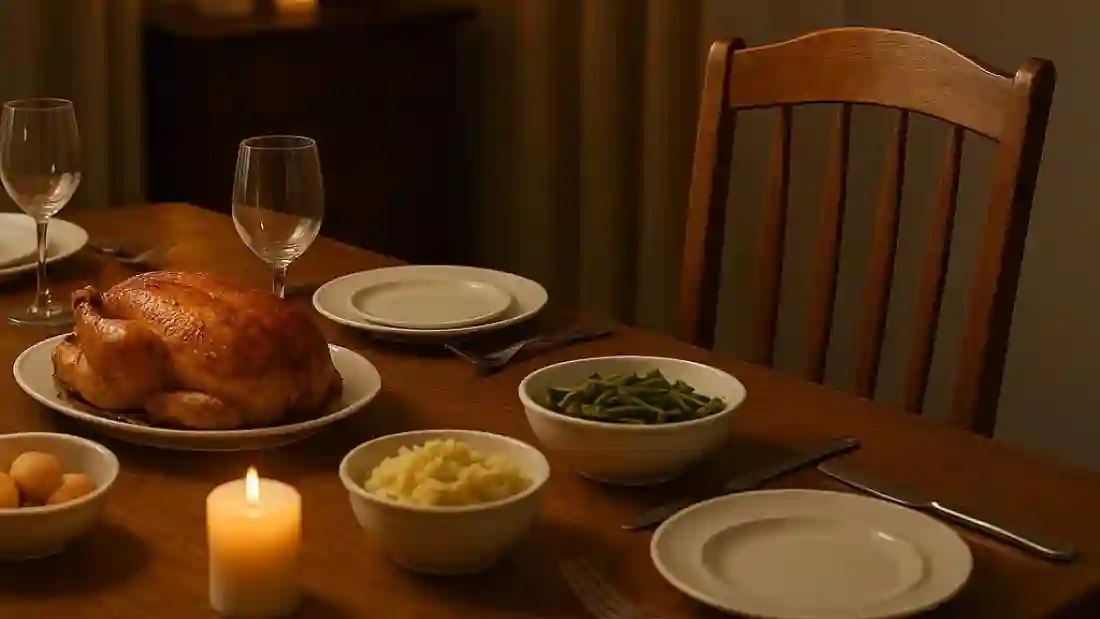
Thanksgiving is supposed to be a happy time.
At least, that’s the message children often receive.
Be grateful.
Enjoy your family.
Smile for the pictures.
Appreciate what you have.
But what happens when a child doesn’t feel particularly happy?
What happens when someone important is missing from the dinner table?
When parents no longer celebrate together?
When a family tradition has changed?
Or when a child is simply struggling emotionally, even though everyone around them seems excited?
At Inside Out, we believe children deserve the freedom to experience their emotions honestly—even during a holiday centered around gratitude.
Because being thankful and feeling sad can exist at the same time.
Why Holidays Can Bring Difficult Emotions to the Surface
Holidays are filled with expectations, memories, and traditions.
For children, those traditions often create a sense of belonging and predictability.
They remember where they usually celebrate, who prepares their favorite food, where everyone sits, and what happens after dinner.
When those experiences change, children may feel a sense of loss.
A child whose parents recently divorced may miss having everyone together.
A child who has lost a grandparent may notice an empty chair.
A child navigating a blended family may feel torn between households.
And a child struggling with anxiety or depression may find the pressure to be cheerful especially difficult.
These emotions aren’t signs that a child is ungrateful.
They’re signs that something matters to them.
Children Experience Grief Differently Than Adults
Grief in children doesn’t always look like sadness.
Sometimes it looks like anger.
Sometimes it looks like clinginess.
Sometimes it looks like a child who becomes unusually quiet.
Other times, a grieving child may laugh, play, and appear perfectly happy—then suddenly become upset over something seemingly small.
Children can move in and out of grief throughout the day.
They may ask difficult questions one moment and return to playing the next.
That doesn’t mean they aren’t grieving.
It means they’re processing loss in a developmentally different way.
During Thanksgiving, familiar traditions can trigger memories of people or experiences they miss.
Instead of trying to distract children from those feelings, we can help them understand and express them.
Thanksgiving After Divorce or Separation
For children whose parents live separately, holidays can bring complicated emotions.
They may wonder:
“Why can’t we all be together?”
“Will Mom be sad if I’m with Dad?”
“Am I supposed to be happy at both houses?”
“Why does everything have to be different?”
Even when parents have developed a peaceful co-parenting relationship, children may still grieve the family experiences they once knew.
Parents can help by keeping children out of adult disagreements and avoiding pressure to choose sides.
It’s also important to remember that a child can love both parents without feeling equally happy about every holiday arrangement.
Children should never feel responsible for managing an adult’s emotions about where they spend Thanksgiving.
What Helps?
Explain holiday plans ahead of time.
Allow children to ask questions.
Avoid criticizing the other parent.
Create meaningful traditions within each household.
And most importantly, reassure children that loving one parent doesn’t mean betraying the other.
When Someone Is Missing From the Table
Thanksgiving can be particularly difficult following the death of a loved one.
Children may notice the absence of someone who always cooked a special dish, told a particular joke, or sat beside them during dinner.
Adults sometimes avoid mentioning the person who died because they don’t want to make children sad.
But silence can leave children feeling as though their memories aren’t welcome.
Consider inviting your child to participate in a simple remembrance.
You might prepare a loved one’s favorite recipe, share a happy memory, look at a photograph, or create a small tradition in their honor.
Let the child decide whether they want to participate.
Not every child will be ready to talk.
And that’s okay.
The Pressure to Be Grateful
One of the most common holiday messages children hear is:
“You should be thankful.”
While gratitude is an important emotional skill, demanding it during a difficult moment can unintentionally communicate that certain feelings are unacceptable.
Imagine a child saying:
“I miss how Thanksgiving used to be.”
And hearing:
“You should be grateful for what you have.”
The adult may intend to encourage perspective.
But the child may hear:
“Your sadness doesn’t belong here.”
A more supportive response might be:
“I know things feel different this year. You can miss how they used to be and still enjoy parts of today.”
This teaches an important lesson:
We don’t have to choose between gratitude and grief.
Both can exist.
Six Ways to Support Children’s Emotional Health This Thanksgiving
1. Make Room for Mixed Feelings
Let children know that holidays can bring excitement, sadness, frustration, and joy.
They don’t need to choose just one.
2. Ask Open-Ended Questions
Instead of asking, “Aren’t you excited?”
Try:
“How are you feeling about Thanksgiving this year?”
“What are you looking forward to?”
“Is there anything you’re worried about?”
Listen without rushing to correct their feelings.
3. Preserve Familiar Traditions When Possible
Children often find comfort in small, predictable rituals.
A favorite breakfast, movie, recipe, or family activity can provide continuity during change.
4. Invite Children to Create New Traditions
When family circumstances change, children may appreciate having some control.
Ask them to choose a game, help prepare a dish, decorate the table, or suggest an activity.
Small choices can strengthen their sense of belonging.
5. Avoid Forcing Happiness
Children don’t need to perform gratitude, affection, or excitement for adults.
Encourage respectful behavior while allowing emotional honesty.
6. Prioritize Connection
Sometimes children don’t need a solution.
They need someone to sit beside them, acknowledge their feelings, and remind them that they aren’t alone.
What About Children Who Seem Withdrawn?
Occasional sadness during holidays is not necessarily a mental health disorder.
However, persistent withdrawal, significant changes in sleep or appetite, loss of interest in usual activities, frequent hopelessness, or difficulty functioning deserve attention.
If a child expresses thoughts of suicide or self-harm, seek immediate professional help. In the United States, call or text 988 for crisis support; call 911 if there is immediate danger.
For ongoing emotional concerns, a child mental health professional can help determine whether grief, anxiety, depression, or another difficulty may be contributing.
The Most Meaningful Gift We Can Offer
Thanksgiving often encourages families to focus on everything they have.
But it can also be an opportunity to acknowledge what has changed, what has been lost, and what children may be carrying emotionally.
Children don’t need a perfect holiday.
They need permission to be themselves.
They need adults who can listen without judgment.
And they need reassurance that their emotions won’t make them less loved.
At Inside Out, we believe that understanding children’s emotional experiences helps build the foundation for stronger relationships and healthier development.
This Thanksgiving, instead of asking children to feel grateful for everything, consider helping them feel safe enough to share anything.
Frequently Asked Questions
Is it normal for children to feel sad during Thanksgiving?
Yes. Holidays can bring memories, changes in routine, grief, and family-related stress. Temporary sadness is not necessarily a sign of a mental health disorder.
How can I help my child after a divorce during the holidays?
Explain plans clearly, avoid loyalty conflicts, validate difficult feelings, and develop predictable traditions.
Should we talk about a deceased family member at Thanksgiving?
Many children benefit from having opportunities to remember loved ones. Follow the child’s lead and avoid forcing conversations or participation.
When should I seek professional help for holiday sadness?
Consider an evaluation when symptoms are persistent, severe, or interfere with sleep, relationships, school, or daily functioning.
Disclaimer: Inside Out provides individualized mental health care for children, adolescents, and families. This article is educational and is not a substitute for professional assessment.